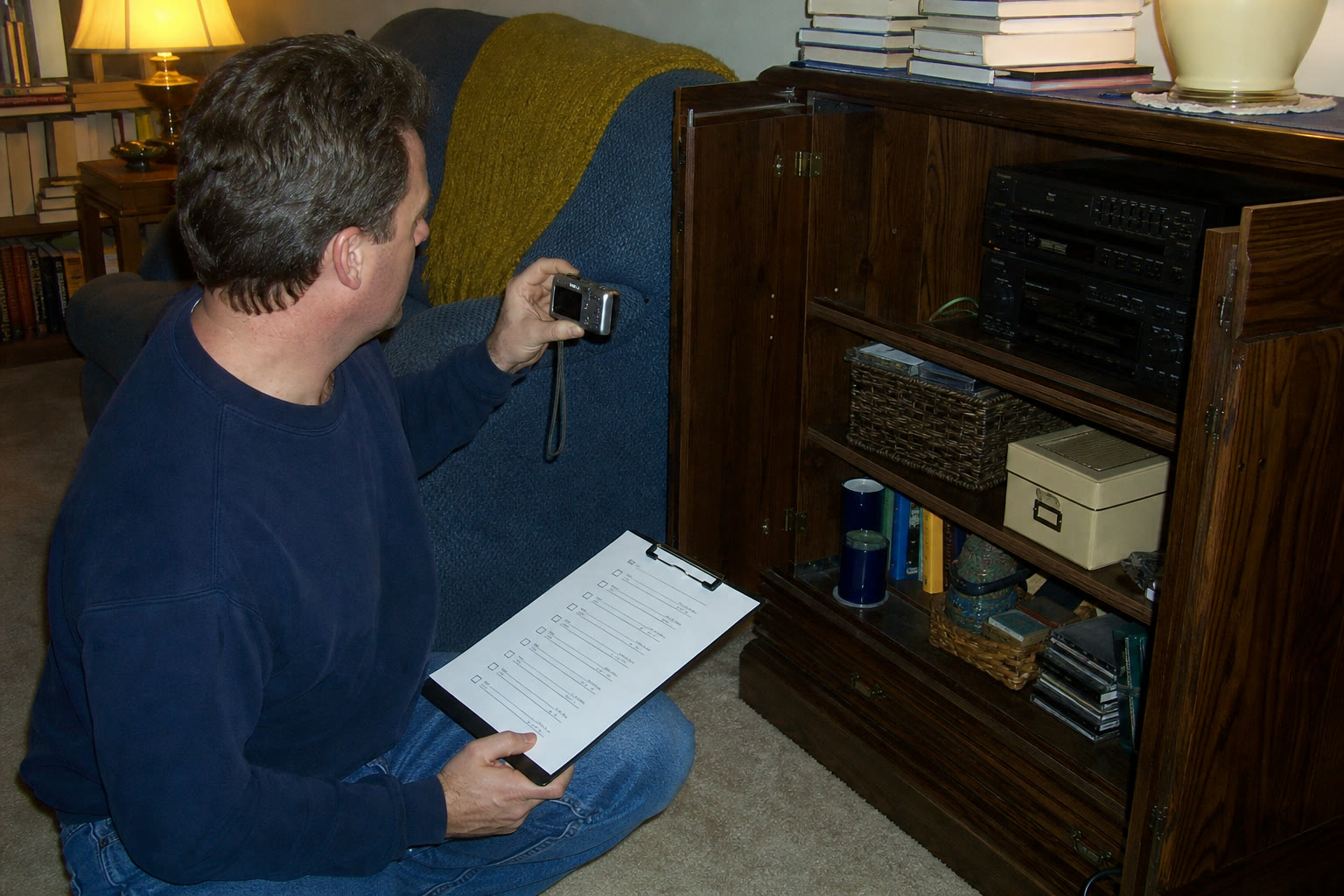
A home policy is not a house-shaped coupon. It is a contract with limits, deductibles, covered causes of loss, exclusions, and a method for valuing damaged property. The premium comes last.
Start with the same house facts
Give each company the same address, year, square footage, roof age and material, heating, wiring, plumbing, renovations, occupancy, claims, and safety features. Do not guess when a home inspection or record can answer.
Match the big coverage rows
- Dwelling coverage and how the replacement estimate was made.
- Other structures.
- Personal property and replacement-cost or actual-cash-value settlement.
- Loss of use or additional living expense.
- Personal liability and medical payments.
- Water backup, service line, ordinance or law, and other endorsements you want.
The deductible may not be one number
A policy can have one deductible for many claims and a different percentage or dollar deductible for wind, hail, hurricane, earthquake, or another event. A percentage deductible is based on the insured amount, not the repair bill. Put it into dollars.
Pal question: “Show every deductible in dollars for this house, including wind and named-storm deductibles.”
Ask how a claim is valued
Replacement cost and actual cash value are not the same. Actual cash value generally accounts for age and wear. Roofs can have special settlement schedules. Ask what happens to a 15-year-old roof in a covered claim and get the answer in the policy form or endorsement.
Flood is a separate question
A standard homeowners policy generally does not cover flood. Flood can happen outside a high-risk mapped area. Ask about a separate flood policy and its waiting period. Also ask what the policy means by water backup, seepage, surface water, and storm surge.
Check the company and complaint record
Use the state insurance department to confirm licenses and find complaint information. Ask how the company handles roof inspections, nonrenewal, and claim reporting. Customer service matters most on the day part of the house is missing.
A lender’s minimum insurance rule protects the lender’s interest. It does not prove the coverage is enough for your home, belongings, or liability risk.
Where we checked
Go straight to the source
- NAIC homeowners insuranceRegulator overview of coverage, deductibles, reports, and shopping tools.
- NAIC home insurance guideDetailed consumer guide to forms, settlement, shopping, and state contacts.
- FEMA flood insuranceOfficial National Flood Insurance Program consumer site.
We link to the official office when one exists. A link is not an endorsement, and we do not control outside sites.